
Nutrition for Beginners: A Simple and Concise Guide
Eating healthy does not have to be complicated. If you…
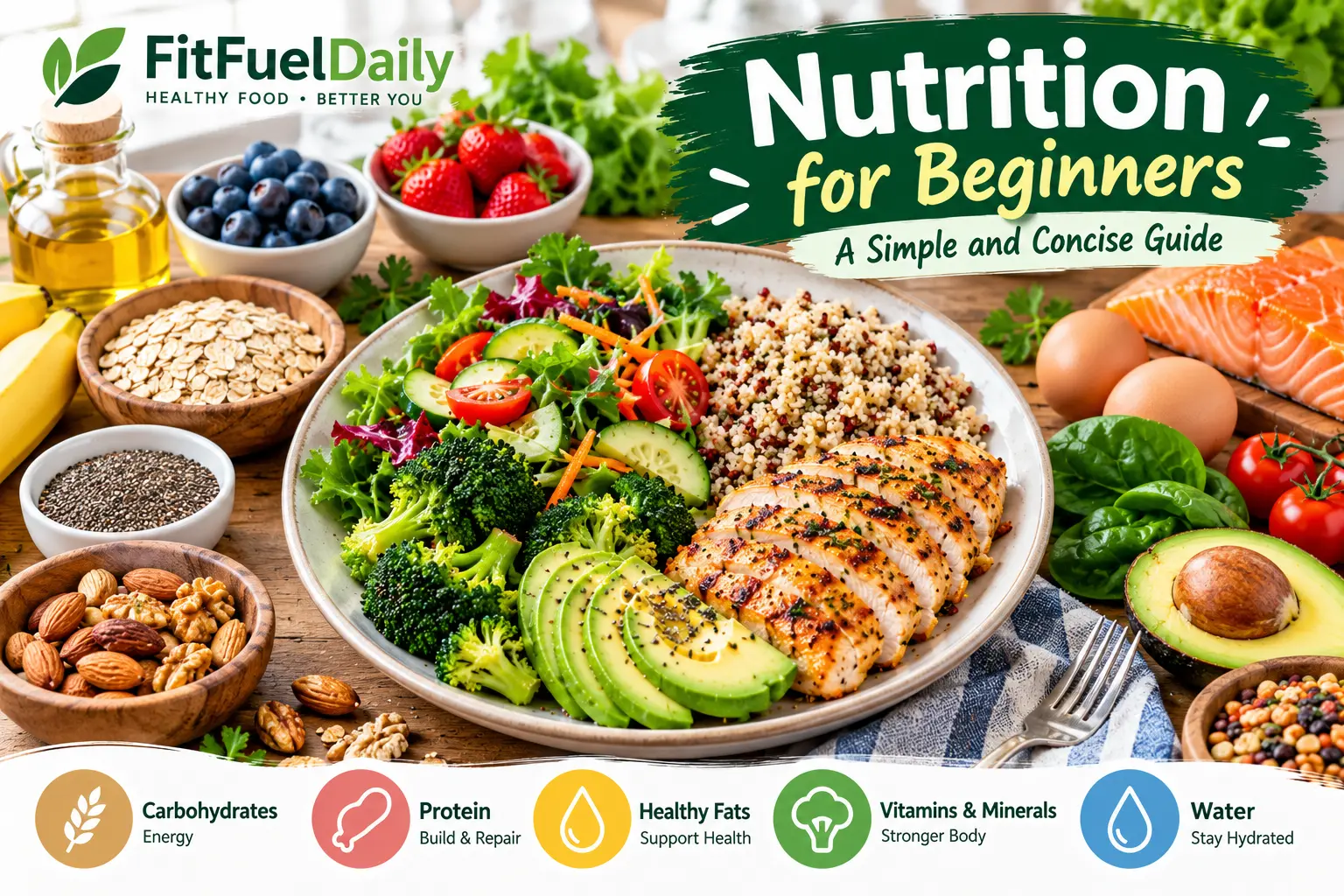
Eating healthy does not have to be complicated. If you are new to nutrition, understanding what your body needs can help you make better food choices, improve your daily habits, and build a balanced lifestyle.
A healthy diet is not about following strict rules or avoiding all your favorite foods. Instead, it is about eating a variety of nutritious foods, choosing balanced meals, and developing habits you can maintain over time.
In this simple nutrition guide for beginners, you will learn the basics of healthy eating, understand the main nutrients your body needs, and discover practical ways to improve your daily diet.
1. Understand the Basics of Nutrition
Nutrition is the process through which your body obtains and uses nutrients from food. These nutrients support energy production, growth, tissue repair, and many other important functions.
The main nutrients include carbohydrates, protein, fats, vitamins, minerals, and water.
A balanced diet provides these nutrients in appropriate amounts. Your individual needs depend on factors such as age, activity level, health, and personal goals.
Instead of focusing on one specific food or nutrient, try to build meals that include a variety of foods from different food groups.
2. Learn About Carbohydrates
Carbohydrates are one of the body’s main sources of energy. They are found in foods such as oats, rice, potatoes, bread, fruit, beans, and other grains.
Not all carbohydrate sources provide the same nutritional benefits. Whole grains, fruits, vegetables, and legumes generally provide more fiber and other beneficial nutrients than highly refined, sugary foods.
Healthy carbohydrate sources include:
- Oatmeal and whole-grain bread
- Brown rice and whole-wheat pasta
- Potatoes and sweet potatoes
- Apples, bananas, berries, and other fruits
- Beans, peas, and lentils
You do not need to eliminate carbohydrates to eat healthily. Choose a variety of nutrient-rich sources and adjust portions to your needs.
3. Include Protein in Your Meals
Protein helps build and repair body tissues and supports muscle maintenance. It is also important for many processes throughout the body.
Eating protein-rich foods throughout the day can help make meals satisfying and support your overall nutritional needs.
Good sources of protein include:
- Eggs
- Chicken and turkey
- Fish and seafood
- Milk, yogurt, and cheese
- Beans, lentils, and chickpeas
- Tofu and other soy foods
- Nuts and seeds
For an easy balanced meal, combine a protein source with vegetables and a whole grain or another carbohydrate source.
For example, grilled chicken with brown rice and broccoli provides protein, carbohydrates, fiber, and several vitamins and minerals.
4. Choose Healthy Fats
Dietary fats provide energy, help your body absorb certain vitamins, and support normal cell function.
The type of fat you eat matters. Unsaturated fats are generally preferred over large amounts of saturated fats, while trans fats should be avoided as much as possible.
Sources of unsaturated fats include:
- Olive oil
- Avocados
- Almonds and walnuts
- Chia seeds and flaxseeds
- Fatty fish such as salmon and sardines
These foods can be included in a balanced diet in appropriate portions. Remember that fats are energy-dense, so small amounts can add flavor and nutritional value to meals.
5. Eat More Fruits and Vegetables
Fruits and vegetables provide vitamins, minerals, fiber, and other beneficial plant compounds. Eating a variety of them is an important part of a healthy diet.
Try to include different colors throughout your week rather than relying on only one or two types.
Easy ways to eat more fruits and vegetables:
- Add berries or a banana to breakfast.
- Include a side salad with lunch.
- Add frozen vegetables to pasta, rice, or soups.
- Keep washed fruit available for snacks.
- Include vegetables in omelets, wraps, and sandwiches.
Fresh, frozen, and canned produce can all be useful choices. When buying canned vegetables, comparing sodium levels can help you choose options that fit your needs.
6. Drink Enough Water
Water helps regulate body temperature, transport nutrients, and support normal bodily functions. Your fluid needs vary depending on your activity level, climate, diet, and other individual factors.
Instead of waiting until you feel very thirsty, make drinking water a regular habit throughout the day.
Simple hydration tips:
- Keep a reusable water bottle nearby.
- Drink water with meals.
- Drink more when exercising or spending time in hot weather.
- Choose water instead of sugary drinks more often.
- Include water-rich foods such as cucumbers, oranges, and watermelon.
There is no single amount of water that is ideal for everyone. Pay attention to your body’s needs and follow medical advice if you have been given specific fluid restrictions.
7. Build a Balanced Plate
One of the easiest ways to improve your meals is to use a simple plate method.
As a general guide, aim to fill:
- Half your plate: Vegetables and fruits, with an emphasis on vegetables.
- One-quarter: Protein foods such as chicken, fish, eggs, tofu, or beans.
- One-quarter: Whole grains or other carbohydrate foods such as brown rice or potatoes.
You can also include a small amount of healthy fat, such as olive oil or avocado.
This is a flexible starting point, not a strict rule. Your portion sizes and food choices can change according to your appetite, activity, culture, and nutritional needs.
For example, a balanced dinner could include grilled chicken, brown rice, roasted broccoli, and a little olive oil.
8. Reduce Added Sugar and Excess Sodium
You do not need to avoid every sweet or salty food. However, paying attention to added sugar and sodium can help you make healthier everyday choices.
Frequent consumption of sugary drinks and foods high in added sugar can make it harder to maintain a balanced diet. Excess sodium can also be a concern, particularly for people who need to manage blood pressure.
Try these practical changes:
- Choose water more often than soda or sweetened drinks.
- Compare nutrition labels when buying packaged foods.
- Use herbs, spices, garlic, and lemon to add flavor.
- Choose lower-sodium canned foods when available.
- Enjoy sweets in moderation as part of an overall balanced eating pattern.
Small changes that you can maintain are usually more practical than trying to change everything at once.
9. Plan Your Meals in Advance
Meal planning can help you eat more consistently, save time, and reduce food waste.
You do not need an elaborate plan. Start by choosing a few meals for the coming week and making a grocery list.
A simple meal-planning routine:
- Choose several breakfasts, lunches, and dinners.
- Write down the ingredients you need.
- Prepare a few ingredients ahead of time, such as rice, beans, or washed vegetables.
- Store meals safely in the refrigerator or freezer.
- Keep quick options available for busy days.
For more ideas, read our guide to Healthy Meal Prep for Beginners: 7 Easy Ideas.
You can also explore our healthy meal recipes for the week for practical breakfast, lunch, and dinner inspiration.
10. Develop Healthy Eating Habits Gradually
You do not need to change your entire diet overnight. Starting with a few realistic habits can make healthy eating easier to maintain.
Consider these beginner-friendly goals:
- Eat a balanced breakfast when it suits your routine.
- Include a source of protein in your main meals.
- Add one more serving of vegetables or fruit each day.
- Drink water regularly.
- Cook at home more often when practical.
- Eat slowly and pay attention to hunger and fullness.
- Allow flexibility for favorite foods and social occasions.
Consistency matters more than perfection. If one meal does not go according to plan, simply return to your usual healthy habits at the next opportunity.
Common Nutrition Mistakes Beginners Should Avoid
When learning about nutrition, it is easy to become overwhelmed by conflicting advice. These common mistakes can make healthy eating unnecessarily difficult.
Following overly restrictive diets
Cutting out entire food groups without a medical reason can make it harder to get all the nutrients you need. A varied, balanced eating pattern is generally more sustainable.
Believing that one food is a miracle solution
No single food can provide everything your body needs. Overall eating patterns matter more than relying on one so-called superfood.
Ignoring portion sizes and hunger cues
Even nutritious foods need to fit your individual needs. Learn to recognize hunger and fullness rather than relying only on strict rules.
Trying to change everything at once
Too many changes can feel overwhelming. Focus on one or two habits first, then build on your progress.
Comparing your diet with everyone else’s
People have different nutritional needs, schedules, preferences, and budgets. Choose an approach that fits your own circumstances.
Frequently Asked Questions
What is the best way to start learning about nutrition?
Start by understanding the main food groups and the roles of carbohydrates, protein, fats, vitamins, minerals, and water. Then practice building balanced meals and making gradual improvements to your everyday eating habits.
What should beginners eat for a healthy diet?
A balanced diet can include vegetables, fruits, whole grains, protein-rich foods, dairy or fortified alternatives, and healthy fats. The exact combination depends on your individual needs and preferences.
Do I need to count calories to eat healthily?
Not necessarily. Many people can improve their diets by focusing on food variety, balanced meals, portion awareness, and consistent habits. Calorie tracking may be useful for some people, but it is not required for everyone.
How long does it take to develop healthy eating habits?
It varies from person to person. Start with small, realistic changes and repeat them consistently. There is no fixed timeline for developing habits, and occasional setbacks are normal.
Are carbohydrates bad for you?
No. Carbohydrates provide energy and are found in many nutritious foods, including fruit, beans, oats, and whole grains. Choosing fiber-rich sources can support a balanced diet.
Can I eat healthy on a budget?
Yes. Foods such as oats, eggs, beans, lentils, rice, frozen vegetables, and seasonal fruit can provide valuable nutrients at relatively low cost. Planning meals and using leftovers can also reduce food expenses.
Final Thoughts
Learning about nutrition does not need to be confusing. By understanding the basics, choosing a variety of nutritious foods, drinking enough water, and planning balanced meals, you can begin building healthier habits that fit your lifestyle.
Start small, stay flexible, and focus on progress rather than perfection. Over time, these everyday choices can help make healthy eating a more natural part of your routine.
Explore more practical recipes and meal-planning tips on FitFuelDaily to continue your journey toward a balanced lifestyle.