
10 Easy High-Protein Meals for a Healthy Lifestyle
10 Easy High-Protein Meals for a Healthy Lifestyle Looking for…
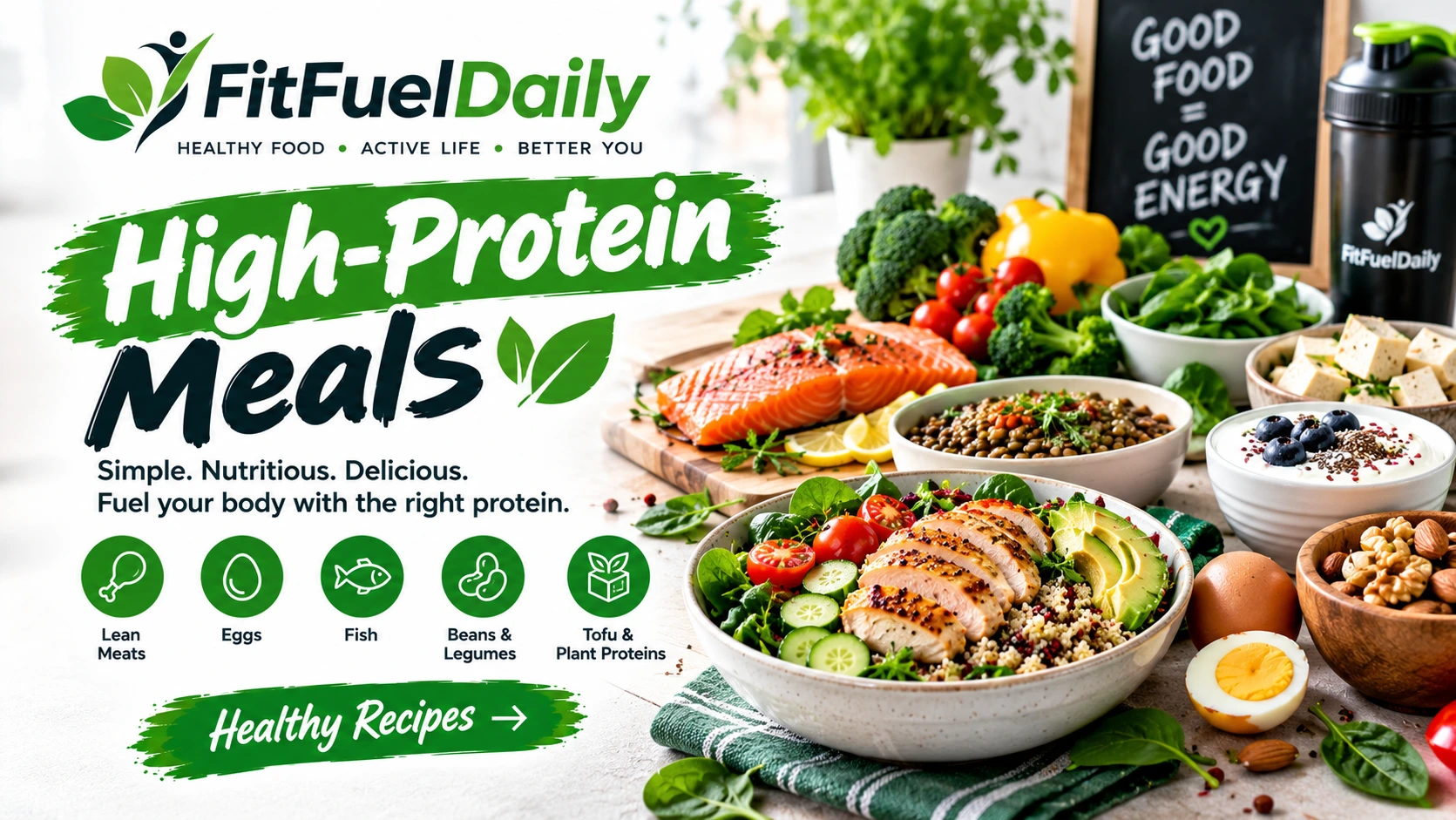
10 Easy High-Protein Meals for a Healthy Lifestyle
Looking for easy ways to add more protein to your daily diet? High-protein meals can help you feel satisfied, support muscle maintenance, and make balanced eating easier. Whether you enjoy chicken, eggs, fish, beans, or plant-based foods, there are plenty of delicious options to choose from.
At FitFuelDaily, we believe healthy eating should be practical, affordable, and enjoyable. Here are 10 easy high-protein meal ideas you can prepare at home for breakfast, lunch, or dinner.
Why Is Protein Important?
Protein is an essential nutrient that helps your body build and repair tissues, maintain muscles, and produce enzymes and hormones. It is especially important when combined with regular physical activity and an overall balanced diet.
You can get protein from animal sources, including eggs, chicken, fish, yogurt, and dairy products, as well as plant-based foods such as beans, lentils, tofu, nuts, and seeds.
Your ideal protein intake depends on factors such as age, activity level, body size, and health goals. You do not need to eat the same amount as someone else to follow a healthy diet.
1. Grilled Chicken and Rice Bowl
A chicken and rice bowl is a simple meal that works well for lunch or dinner. It combines lean protein, carbohydrates, and vegetables in one convenient dish.
Ingredients:
- 4 oz (113 g) cooked chicken breast
- 1 cup cooked brown rice
- 1 cup steamed broccoli
- 1 teaspoon olive oil
- Garlic, black pepper, and paprika
Instructions:
- Season the chicken with garlic, pepper, and paprika.
- Grill or cook it in a pan until fully cooked.
- Prepare the brown rice and steam the broccoli.
- Arrange everything in a bowl and drizzle with olive oil.
Why you’ll love it: This meal is easy to customize with different vegetables, grains, and seasonings.
2. Greek Yogurt Breakfast Bowl
Greek yogurt is a convenient protein-rich breakfast option. Add fruit and oats for extra fiber, texture, and flavor.
Ingredients:
- 1 cup plain Greek yogurt
- ½ cup berries
- ¼ cup rolled oats
- 1 tablespoon chia seeds
- A small drizzle of honey, if desired
Instructions:
- Add the Greek yogurt to a bowl.
- Top with berries, oats, and chia seeds.
- Add a little honey if you prefer a sweeter taste.
Why you’ll love it: This no-cook breakfast takes only a few minutes to prepare and is easy to take on busy mornings.
3. Egg and Vegetable Scramble
Eggs provide protein and pair well with vegetables for a quick breakfast or light dinner.
Ingredients:
- 2 large eggs
- ½ cup chopped spinach
- ¼ cup diced bell pepper
- ¼ cup chopped tomatoes
- 1 teaspoon olive oil
- Black pepper and herbs
Instructions:
- Heat the olive oil in a nonstick pan.
- Cook the bell pepper and tomatoes for a few minutes.
- Add the spinach and let it soften.
- Beat the eggs, pour them into the pan, and stir until fully cooked.
Serve with whole-grain toast for a more filling meal.
4. Tuna and Chickpea Salad
Tuna and chickpeas make a practical combination for a protein-rich lunch without much cooking.
Ingredients:
- 1 small can of tuna, drained
- ½ cup cooked chickpeas
- 1 cup chopped cucumber and tomatoes
- A handful of leafy greens
- 1 tablespoon olive oil
- Lemon juice and black pepper
Instructions:
- Place the vegetables and chickpeas in a bowl.
- Add the drained tuna.
- Dress with olive oil, lemon juice, and pepper.
- Toss gently and serve.
Choose tuna varieties that fit your preferences, and follow local guidance on fish consumption.
5. Lentil and Vegetable Soup
Lentils are an affordable plant-based source of protein and fiber. This comforting soup is especially useful for meal preparation.
Ingredients:
- 1 cup cooked lentils
- 1 carrot, diced
- ½ onion, chopped
- 1 celery stalk, chopped
- 2 cups low-sodium vegetable broth
- 1 teaspoon olive oil
- Cumin, garlic, and black pepper
Instructions:
- Heat olive oil in a pot and cook the onion, carrot, and celery until softened.
- Add the garlic, cumin, lentils, and vegetable broth.
- Simmer for about 15–20 minutes, or until the vegetables are tender.
- Adjust the seasoning and serve warm.
For a more substantial meal, serve with whole-grain bread or a side salad.
6. Baked Salmon with Sweet Potato
Salmon provides protein and omega-3 fatty acids. Sweet potatoes add carbohydrates, fiber, and other nutrients.
Ingredients:
- 4 oz (113 g) salmon fillet
- 1 medium sweet potato
- 1 cup green beans
- 1 teaspoon olive oil
- Lemon juice, garlic, and herbs
Instructions:
- Preheat the oven to 400°F (200°C).
- Cut the sweet potato into cubes and toss with a little olive oil.
- Bake until nearly tender, then add the seasoned salmon.
- Cook the salmon until it reaches an internal temperature of 145°F (63°C).
- Steam the green beans and serve alongside the salmon and sweet potato.
Tip: You can replace salmon with another fish you enjoy, adjusting the cooking time as needed.
7. Tofu and Vegetable Stir-Fry
Tofu is a versatile plant-based protein that absorbs the flavors of sauces and seasonings.
Ingredients:
- 6 oz (170 g) firm tofu
- 1 cup broccoli florets
- ½ bell pepper, sliced
- ½ cup sliced mushrooms
- 1 teaspoon olive oil
- Low-sodium soy sauce, garlic, and ginger
- Cooked brown rice, for serving
Instructions:
- Drain the tofu and cut it into cubes.
- Cook the tofu in a pan until lightly golden.
- Add the vegetables, garlic, and ginger.
- Stir-fry until the vegetables are tender but still slightly crisp.
- Add a small amount of soy sauce and serve with brown rice.
This recipe can also be made with tempeh or another protein source you prefer.
8. Turkey and Bean Chili
Turkey and beans create a hearty meal with protein and fiber. This recipe is suitable for batch cooking and freezing.
Ingredients:
- 4 oz (113 g) lean ground turkey
- ½ cup cooked kidney beans
- ½ cup crushed tomatoes
- ¼ onion, diced
- ½ bell pepper, diced
- Chili powder, cumin, and garlic
Instructions:
- Cook the turkey in a pot until browned and fully cooked.
- Add the onion, bell pepper, and seasonings.
- Stir in the beans and crushed tomatoes.
- Simmer for 15–20 minutes, stirring occasionally.
- Serve warm, with optional brown rice or a side of vegetables.
For a vegetarian version, replace the turkey with additional beans or lentils.
9. Cottage Cheese and Whole-Grain Toast
Cottage cheese offers protein in a quick meal or snack. Pair it with whole-grain toast and fresh vegetables for a simple option.
Ingredients:
- ½–1 cup cottage cheese
- 2 slices whole-grain bread
- Sliced tomatoes or cucumber
- Black pepper and fresh herbs
Instructions:
- Toast the bread.
- Spread cottage cheese over each slice.
- Add sliced vegetables, pepper, and herbs.
For a sweet variation, serve cottage cheese with fruit and cinnamon instead.
10. Chicken and Black Bean Wrap
A chicken and black bean wrap is a convenient lunch for work, school, or a busy day.
Ingredients:
- 1 whole-grain tortilla
- 3 oz (85 g) cooked chicken breast
- ½ cup black beans
- Shredded lettuce
- Diced tomatoes
- Plain Greek yogurt or salsa
Instructions:
- Warm the tortilla slightly.
- Add the chicken, black beans, lettuce, and tomatoes.
- Add a spoonful of Greek yogurt or salsa.
- Fold the sides inward, roll tightly, and serve.
You can replace the chicken with tofu or extra beans for a plant-based version.
Tips for Building Balanced High-Protein Meals
You do not need complicated recipes or expensive ingredients to include protein in your diet. Try these practical tips:
- Plan ahead: Cook a batch of chicken, beans, lentils, or grains to use throughout the week.
- Include variety: Rotate animal and plant-based protein sources.
- Add vegetables: Include different colors and types of vegetables in your meals.
- Choose convenient options: Plain yogurt, canned beans, eggs, and canned fish can save preparation time.
- Watch food safety: Refrigerate perishable leftovers promptly and reheat them thoroughly.
- Keep meals balanced: Protein is important, but carbohydrates, fats, vitamins, minerals, and fiber are important too.
Frequently Asked Questions
What are the best high-protein foods?
Common choices include eggs, chicken, fish, Greek yogurt, cottage cheese, tofu, lentils, beans, and tempeh. The best options for you depend on your dietary preferences, budget, and nutritional needs.
Can I get enough protein without eating meat?
Yes. Plant-based foods such as lentils, beans, chickpeas, tofu, tempeh, soy foods, nuts, and seeds can contribute protein to your diet. Eating a variety of foods helps provide a broad range of nutrients.
Are high-protein meals good for active people?
Protein supports muscle repair and maintenance, making it useful as part of a balanced diet for active people. Total energy intake, carbohydrate intake, hydration, and recovery also matter.
Can high-protein meals help with weight management?
Protein-rich foods can help some people feel satisfied after eating. However, weight management depends on a range of factors, including overall eating patterns, activity, sleep, health, and individual circumstances. No single food guarantees weight loss.
How can I make high-protein meals on a budget?
Buy dried lentils and beans, compare prices on eggs and plain yogurt, use canned fish when appropriate, and prepare meals in batches. Frozen vegetables can also reduce waste and make meal preparation easier.
Final Thoughts
High-protein meals can be simple, flavorful, and affordable. From a Greek yogurt breakfast bowl to lentil soup, baked salmon, and tofu stir-fry, there are plenty of ways to include protein in a balanced eating pattern.
Start with one or two recipes that fit your schedule, prepare ingredients ahead of time, and experiment with different flavors. Consistency and variety are more useful than relying on one perfect meal.
Disclaimer: This article is for general educational purposes only and is not a substitute for individualized medical or nutritional advice. People with kidney disease or other conditions that affect protein needs should consult a qualified healthcare professional or registered dietitian for personalized guidance.