
Beginner Fitness: 10 Easy Tips to Start Exercising
Beginner Fitness: 10 Easy Tips to Start Exercising Starting a…
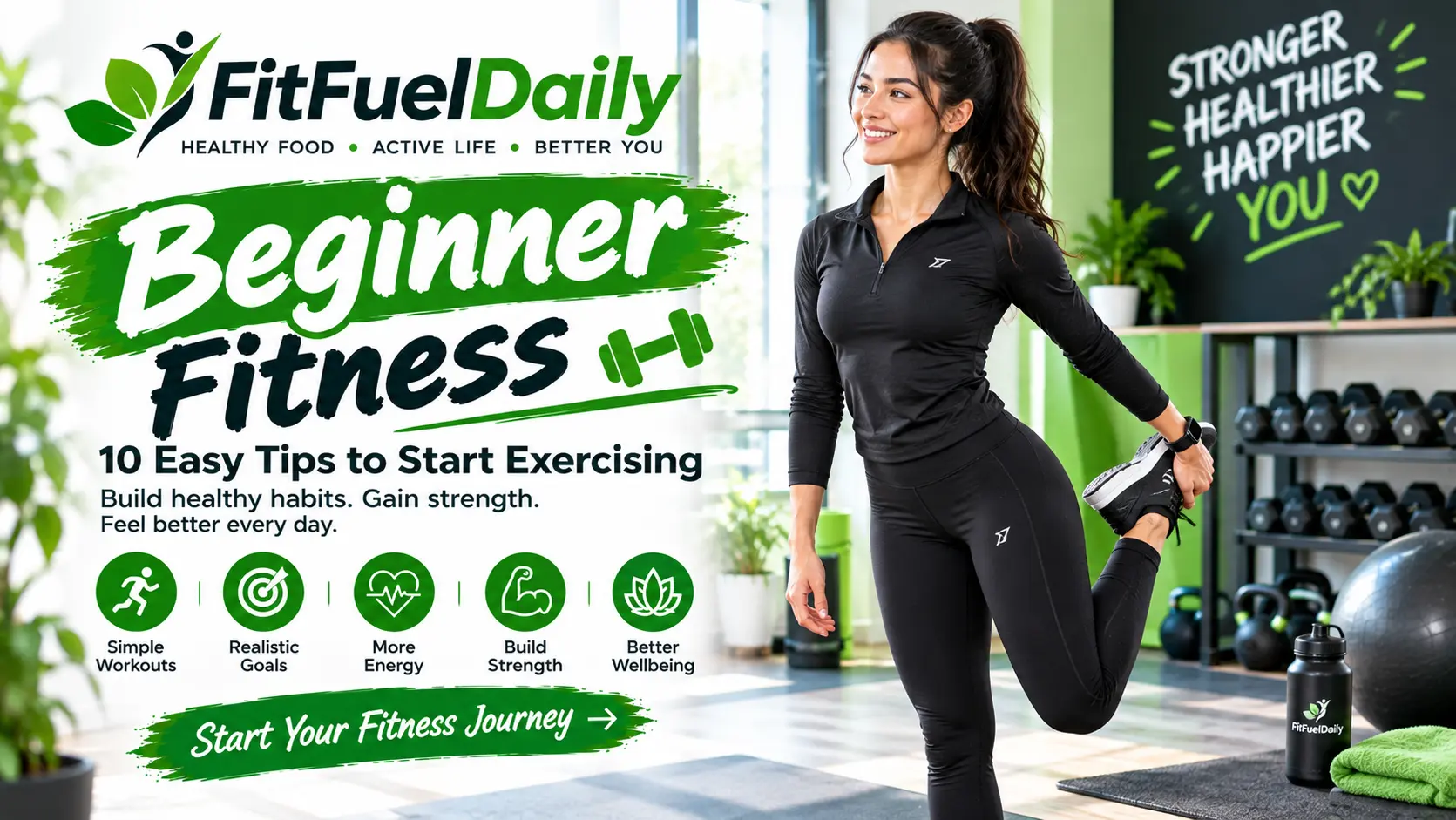
Beginner Fitness: 10 Easy Tips to Start Exercising
Starting a fitness journey can feel challenging, especially if you have never followed a regular workout routine. The good news is that you do not need an expensive gym membership, advanced equipment, or hours of exercise to get started.
With simple movements and consistent habits, beginner fitness can help you improve strength, build stamina, support your overall health, and feel more confident in everyday life.
In this guide, you will discover 10 practical tips to help you start exercising safely and build a routine that fits your lifestyle.
1. Start With Small, Achievable Goals
One of the most common mistakes beginners make is trying to do too much too soon. Instead of starting with intense workouts, choose small goals that you can maintain.
For example:
- Walk for 10–15 minutes a day.
- Complete two short workouts each week.
- Practice basic bodyweight exercises.
- Gradually increase your activity as your fitness improves.
Small steps can help you develop consistency without feeling overwhelmed.
2. Choose Exercises You Enjoy
The best workout is one you can stick with. You do not have to lift weights or run if those activities do not suit you.
Beginner-friendly activities include walking, cycling, dancing, swimming, gentle yoga, and bodyweight workouts at home.
Try different activities and choose the ones that make you feel comfortable and motivated.
3. Try These Simple Exercises at Home
You can begin building strength with basic movements that require little or no equipment.
Bodyweight Squats
Squats work the muscles in your legs and hips. Stand with your feet about shoulder-width apart, bend your knees, and lower your hips as if sitting in a chair. Return to standing.
Start with 5–10 repetitions.
Wall Push-Ups
Stand facing a wall and place your hands against it at shoulder height. Bend your elbows to bring your chest closer to the wall, then push back.
Try 8–10 repetitions.
Glute Bridges
Lie on your back with your knees bent and feet flat on the floor. Gently lift your hips, pause briefly, and lower them with control.
Start with 8–12 repetitions.
Marching in Place
Stand tall and march gently, lifting one knee at a time. Move at a comfortable pace.
Continue for 30–60 seconds.
Choose a few exercises and focus on proper technique rather than speed.
4. Build a Realistic Weekly Routine
You do not need to exercise every day to make progress. Start with a schedule that works with your daily responsibilities.
Here is a simple example for beginners:
| Day | Activity |
|---|---|
| Monday | 15-minute walk |
| Tuesday | 10-minute beginner strength workout |
| Wednesday | Rest or gentle stretching |
| Thursday | 15–20-minute walk |
| Friday | 10-minute beginner strength workout |
| Saturday | Enjoyable activity, such as cycling or dancing |
| Sunday | Rest and recovery |
Adjust the schedule to your ability, energy level, and personal needs. If you are starting from a very low activity level, begin with less and build gradually.
5. Warm Up Before Exercising
A warm-up prepares your body for physical activity. Spend about 5 minutes walking slowly, marching in place, or moving your arms and shoulders gently.
After your workout, slow down and allow your breathing to return toward normal. Gentle stretching may help maintain flexibility, but avoid forcing any movement that causes pain.
6. Focus on Proper Form
Good technique helps you perform exercises more effectively and may reduce the risk of injury.
Keep these tips in mind:
- Move slowly and with control.
- Use a comfortable range of motion.
- Breathe naturally throughout each movement.
- Choose easier variations when necessary.
- Stop if you experience sharp pain, dizziness, or unusual shortness of breath.
If you are unsure how to perform an exercise, consider getting guidance from a qualified fitness professional.
7. Make Recovery Part of Your Plan
Your body needs time to recover between workouts, particularly when you are new to exercise.
Allow rest between strength-training sessions that work the same muscles. Aim for consistent, sufficient sleep and take easier days when you feel unusually tired.
Rest is not a failure. It is an important part of a sustainable fitness routine.
8. Eat Balanced Meals and Drink Water
Exercise is only one part of a healthy lifestyle. Balanced meals can provide energy and nutrients that support daily activity and recovery.
Try to include:
- Protein: eggs, beans, fish, chicken, tofu, or yogurt.
- Carbohydrates: oats, potatoes, fruit, brown rice, or whole-grain bread.
- Healthy fats: nuts, seeds, olive oil, or avocado.
- Vegetables and fruit: a variety of colorful choices.
Drink water regularly, especially when exercising or in hot weather. Your hydration needs will vary depending on activity, climate, and individual circumstances.
You do not need a restrictive diet or expensive supplements to begin exercising.
9. Track Your Progress Without Comparing Yourself to Others
Fitness progress looks different for everyone. Instead of comparing yourself with people online, pay attention to your own improvements.
You could track:
- How often you exercise each week.
- How long you can walk comfortably.
- How many controlled repetitions you can complete.
- Your energy levels and consistency.
- How your exercises feel over time.
Progress may be gradual. Celebrate your effort and adjust your goals when needed.
10. Stay Consistent and Be Patient
Results take time, and motivation naturally changes from day to day. Creating a simple routine can make exercise easier to maintain.
Try preparing your workout clothes in advance, scheduling exercise at a convenient time, or asking a friend to join you. If you miss a session, simply return to your routine when you can.
Consistency matters more than having a perfect workout every time.
A Simple 10-Minute Beginner Fitness Workout
If you want to start today, try this short routine at a comfortable pace:
- March in place — 2 minutes.
- Bodyweight squats or chair squats — 1 minute.
- Wall push-ups — 1 minute.
- March in place — 2 minutes.
- Glute bridges or seated leg extensions — 1 minute.
- Gentle walking and relaxed movements — 3 minutes.
Take breaks whenever needed. You can shorten the session or choose easier movements based on your ability.
This is an introductory routine, not a requirement to exercise through discomfort. As it becomes easier, gradually increase the duration or difficulty.
Frequently Asked Questions
How many days a week should a beginner exercise?
Start with two or three manageable exercise sessions per week, plus comfortable walking or other daily movement. Gradually work toward public-health activity recommendations as your ability improves.
Can beginners get fit at home?
Yes. Walking, bodyweight exercises, and simple home workouts can help beginners improve fitness without a gym membership. Choose exercises appropriate for your ability and available space.
How long should a beginner workout last?
Even 10–15 minutes can be a useful starting point. Increase workout duration gradually as your stamina and confidence improve.
Should I exercise every day as a beginner?
Not necessarily. Rest days are useful, particularly between strength workouts. Gentle walking or other comfortable movement may be appropriate on recovery days.
What should I do if I feel pain during exercise?
Stop the movement that causes pain. Do not try to push through sharp or worsening pain. Seek appropriate medical advice if symptoms persist or are concerning.
Final Thoughts
Beginning a fitness routine does not have to be complicated. Start with achievable goals, choose activities you enjoy, learn basic exercises, and give your body time to adapt.
The most effective beginner fitness plan is one that fits your lifestyle and that you can maintain over time. Start small, stay patient, and celebrate each step toward a more active life.
Disclaimer: This article provides general educational information and is not a substitute for personalized medical advice. If you have a medical condition, an injury, or concerns about starting exercise, consult a qualified healthcare professional before beginning a new routine.