
Nutrition for Beginners: 10 Simple Tips for Healthy Eating
Nutrition for Beginners: 10 Simple Tips for Healthy Eating Good…
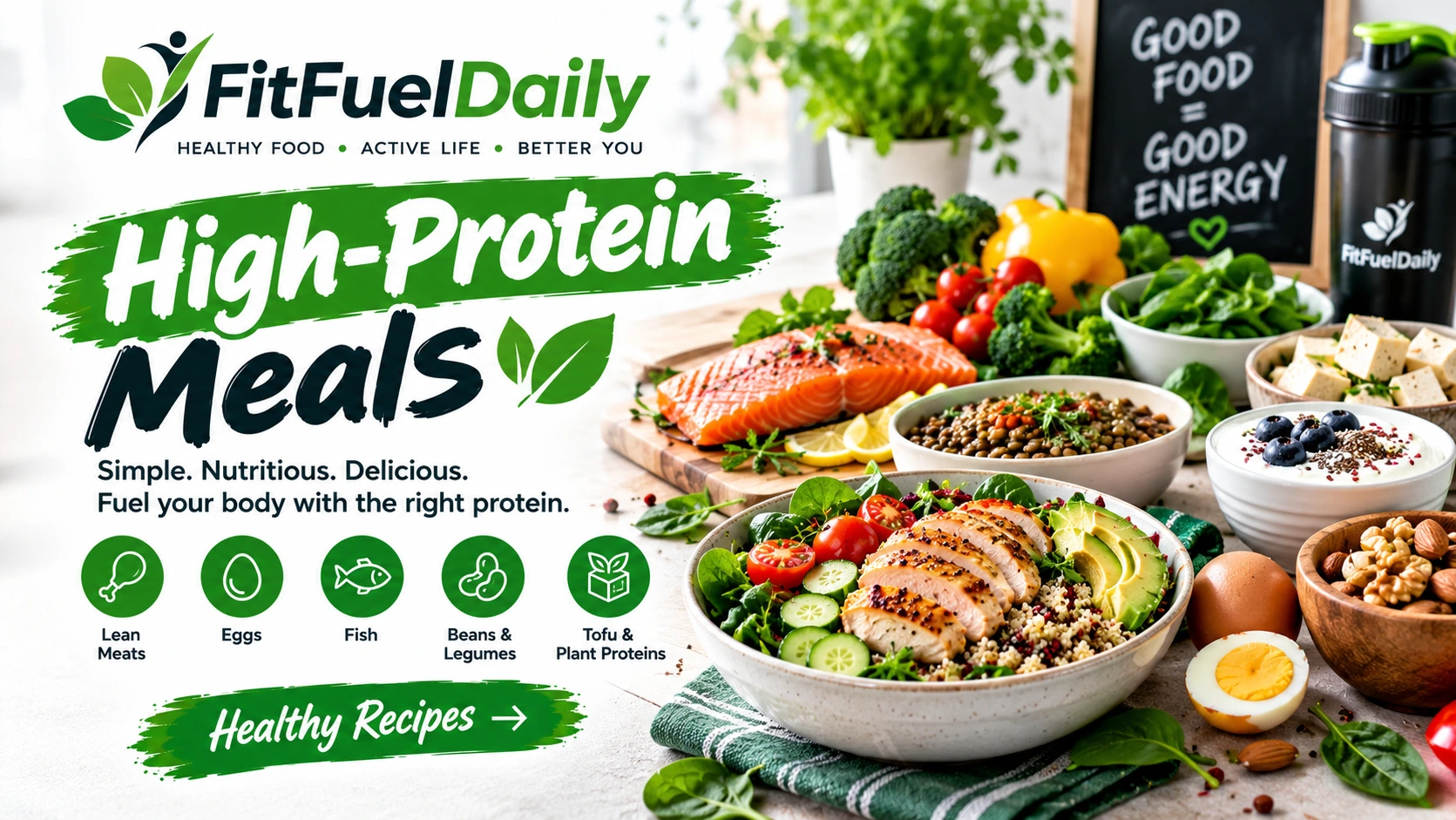
Nutrition for Beginners: 10 Simple Tips for Healthy Eating
Good nutrition is an important part of a healthy lifestyle. The foods and drinks you choose provide energy, support normal body functions, and supply essential nutrients that your body needs every day.
However, healthy eating does not have to be complicated. You do not need expensive products, strict diets, or complicated meal plans to improve your eating habits. Small, consistent changes can help you build a balanced approach to food that fits your lifestyle.
In this guide, FitFuelDaily explains the basics of nutrition and shares 10 practical tips to help beginners make informed food choices.
What Is Nutrition?
Nutrition is the process through which your body obtains and uses nutrients from food and beverages. These nutrients support energy production, growth, tissue maintenance, and many other essential functions.
A balanced eating pattern includes a variety of foods that provide carbohydrates, protein, fats, vitamins, minerals, fiber, and water.
Each nutrient has a different role, which is why eating a wide variety of foods is generally more useful than focusing on a single ingredient or food group.
1. Build Balanced Meals
One of the easiest ways to improve your nutrition is to include different food groups in your meals.
A balanced plate might contain:
- Vegetables and fruits for vitamins, minerals, and fiber.
- Protein sources such as eggs, fish, chicken, beans, or tofu.
- Whole grains such as oats, brown rice, or whole-wheat bread.
- Healthy fat sources such as olive oil, nuts, seeds, or avocado.
You do not need to make every meal perfect. Aim for variety across your day and week, while choosing portions that suit your needs.
2. Eat More Fruits and Vegetables
Fruits and vegetables provide a wide range of vitamins, minerals, and other beneficial plant compounds. Many are also good sources of dietary fiber.
Try adding berries to breakfast, including a side salad at lunch, or serving roasted vegetables with dinner.
Fresh, frozen, and canned produce can all be useful options. When choosing canned vegetables or fruit, compare labels and consider products with little or no added salt or sugar.
The goal is to enjoy a variety of colors and types rather than relying on just one or two favorites.
3. Choose Whole Grains More Often
Whole grains contain more of their original grain components than refined grains. Depending on the food, they can provide fiber, vitamins, minerals, and other nutrients.
Examples include:
- Oatmeal
- Brown rice
- Whole-wheat bread
- Quinoa
- Barley
- Whole-grain pasta
Try replacing some refined grain foods with whole-grain alternatives. You can still enjoy refined grains as part of an overall balanced eating pattern.
4. Include Protein in Your Daily Diet
Protein helps build and repair tissues and supports muscle maintenance. It is found in both animal-based and plant-based foods.
Useful sources include eggs, chicken, fish, plain Greek yogurt, milk, lentils, chickpeas, beans, tofu, and tempeh.
Try including a protein source in your main meals. For example, you could add eggs to breakfast, beans to a lunch salad, or fish and vegetables to dinner.
Your protein needs depend on factors such as age, activity level, body size, and health status.
5. Understand Healthy Fats
Fat is an essential nutrient that helps the body absorb certain vitamins and supports normal cell function.
Foods containing unsaturated fats include olive oil, avocados, nuts, seeds, and oily fish such as salmon.
Saturated fats are found in foods such as butter, fatty meats, and some dairy products. It is generally helpful to replace some saturated fats with unsaturated fats when practical.
Rather than eliminating all fats, focus on the types of fats you eat and the overall quality of your diet.
6. Drink Enough Water
Water supports digestion, circulation, temperature regulation, and many other body functions.
Make water an easy choice by keeping a reusable bottle nearby and drinking regularly throughout the day. Fruits, vegetables, soups, and other beverages also contribute to fluid intake.
Your hydration needs vary according to activity, weather, health, and other individual factors. You may need more fluids during hot weather or exercise.
Water is often a good everyday alternative to sugary drinks, although individual needs and preferences differ.
7. Read Food Labels
Nutrition labels can help you compare products and understand what you are buying.
When checking a label, look at:
- Serving size: The amount used for the nutrition information.
- Added sugars: Sugars added during processing or preparation.
- Sodium: Important to consider, especially if you have been advised to limit salt.
- Dietary fiber: A useful nutrient for digestive health.
- Protein: The amount provided per serving.
- Ingredients: These can help you identify whole grains, allergens, and other components.
No single number determines whether a food is healthy. Consider the product as a whole and how it fits into your usual eating pattern.
8. Plan Meals Ahead of Time
Planning meals can make healthy eating more convenient and help reduce last-minute food decisions.
Start with a simple plan for a few days rather than organizing every meal for an entire month.
For example, prepare a batch of brown rice, wash vegetables, cook beans, and portion ingredients for lunches. Keep convenient foods such as eggs, canned beans, frozen vegetables, and oatmeal available.
Meal planning can also help you use ingredients before they spoil and make grocery shopping more organized.
9. Pay Attention to Hunger and Fullness
Eating mindfully means paying attention to your food, your hunger, and how you feel while eating.
Try slowing down during meals, minimizing distractions when possible, and noticing when you feel comfortably satisfied.
Hunger and appetite can change because of stress, sleep, activity, medications, and many other factors. There is no need to follow rigid rules or feel guilty about eating certain foods.
A flexible approach can help you develop a more comfortable relationship with food.
10. Be Consistent Instead of Perfect
Healthy eating is about your overall pattern, not one meal or one day.
You can enjoy favorite foods while still making nutritious choices most of the time. Strict rules can be difficult to maintain, and individual nutritional needs vary.
Choose one or two manageable habits to start with. You might eat fruit with breakfast, prepare lunch at home more often, or include vegetables at dinner.
Once those habits become part of your routine, you can gradually build on them.
Sample Day of Balanced Eating
Here is one example of how a day of varied eating might look:
Breakfast: Oatmeal topped with berries and plain yogurt.
Lunch: A whole-grain wrap with chicken or chickpeas, leafy greens, and tomatoes.
Snack: An apple with nuts or seeds.
Dinner: Baked salmon or tofu with brown rice and roasted vegetables.
Drinks: Water throughout the day, adjusted to your needs.
This is only an example, not a personalized meal plan. Portions and food choices should reflect your appetite, nutritional needs, preferences, budget, and health.
Common Nutrition Mistakes to Avoid
When learning about nutrition, it is easy to become overwhelmed by conflicting advice. Keep these points in mind:
- Avoid unnecessary food restrictions: Eliminating entire food groups is not required for everyone and may make it harder to meet nutritional needs.
- Do not rely on supplements without a reason: Food is the foundation of a balanced diet, and supplements are useful in some circumstances but not necessary for everyone.
- Be cautious with dramatic claims: No single food or drink can guarantee perfect health or produce instant results.
- Do not compare your diet with everyone else’s: Nutrition needs differ from person to person.
- Avoid chasing perfection: Consistent, realistic habits are generally easier to maintain.
Frequently Asked Questions
What is the best way to start eating healthier?
Start with simple changes, such as adding more fruits and vegetables, choosing whole grains more often, including protein sources, and drinking water regularly. Build new habits gradually.
Do I need to stop eating carbohydrates?
No. Carbohydrates are an important source of energy. Fruits, vegetables, beans, and whole grains provide carbohydrates alongside useful nutrients and fiber.
Are supplements necessary for good nutrition?
Not everyone needs supplements. Some people may benefit from them because of dietary restrictions, life stage, medical conditions, or a confirmed nutrient deficiency. Ask a qualified healthcare professional for advice suited to your situation.
Is healthy eating expensive?
It does not have to be. Oats, beans, lentils, eggs, seasonal produce, and frozen vegetables can be affordable options. Planning meals and using leftovers can also help reduce food waste.
How long does it take to develop healthier eating habits?
It varies from person to person. Focus on choosing realistic actions you can repeat, rather than expecting every habit to change immediately.
Final Thoughts
Learning the basics of nutrition can help you make more informed choices and build a balanced eating pattern that fits your daily life.
Start with variety, include different sources of essential nutrients, drink water regularly, and plan meals in a way that works for you. You do not need a perfect diet to make useful changes.
At FitFuelDaily, our goal is to make healthy eating easier to understand and practical to follow, one habit at a time.
Disclaimer: This article is for general educational purposes only and is not a substitute for individualized medical or nutritional advice. If you have a medical condition, food allergy, or specific dietary needs, consult a qualified healthcare professional or registered dietitian.