
Healthy Meal Prep for Beginners: 7 Easy Ideas
Healthy Meal Prep for Beginners: 7 Easy Ideas Planning healthy…
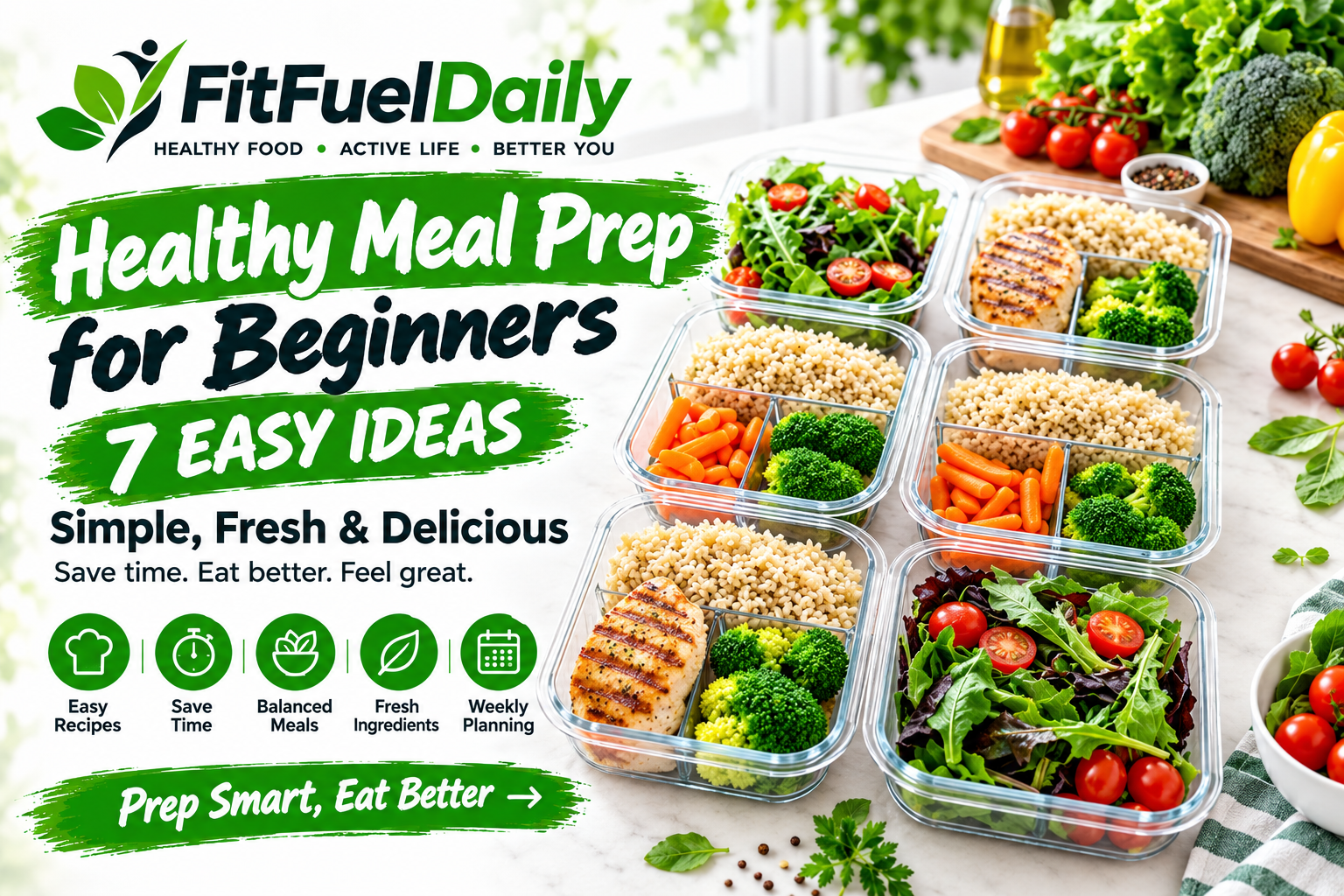
Healthy Meal Prep for Beginners: 7 Easy Ideas
Planning healthy meals can feel difficult when you have a busy schedule. Between work, family responsibilities, and everyday tasks, finding time to cook nutritious food every day is not always easy.
That is where healthy meal prep for beginners can help. Meal prep means preparing some meals or ingredients ahead of time so you can spend less time cooking during the week and make everyday food choices more convenient.
You do not need expensive containers, complicated recipes, or an entire Sunday in the kitchen to get started. With a simple plan and a few basic ingredients, you can prepare balanced meals that fit your schedule, preferences, and budget.
In this guide, you will discover seven easy meal prep ideas, practical planning tips, and food storage advice to help you build a routine you can maintain.
What Is Healthy Meal Prep?
Healthy meal prep is the process of planning and preparing meals or ingredients in advance. Depending on your schedule, you might cook several complete meals, wash and chop vegetables, prepare grains, or portion snacks for the next few days.
There are three common approaches:
- Full meal preparation: Cook complete meals and divide them into individual portions.
- Ingredient preparation: Prepare ingredients such as rice, roasted vegetables, beans, or chicken to combine later.
- Make-ahead breakfasts and snacks: Prepare overnight oats, boiled eggs, or washed fruit in advance.
You can combine these approaches to create a routine that works for you.
Benefits of Meal Prep
Meal prep can make everyday eating more manageable.
1. Save Time During the Week
Preparing ingredients in batches means you do not have to start every meal from scratch. You can cook grains, wash vegetables, and prepare proteins in one session.
2. Make Balanced Meals Easier
When nutritious ingredients are ready to use, it becomes easier to put together meals containing vegetables, protein sources, and whole grains or other carbohydrates.
3. Reduce Food Waste
Planning your meals before shopping can help you buy only what you are likely to use. You can also use the same ingredients in several different recipes.
4. Support Your Budget
Cooking at home with affordable ingredients such as beans, lentils, eggs, oats, and seasonal vegetables can help control food expenses.
5. Reduce Daily Stress
Knowing what you will eat can make busy mornings and evenings less stressful.
Meal prep is not about making every meal perfect. It is about making your daily routine easier.
7 Healthy Meal Prep Ideas for Beginners
These seven ideas use everyday ingredients and simple cooking methods. Adjust the portions and ingredients to match your appetite, preferences, and nutritional needs.
1. Chicken, Rice, and Vegetable Bowls
Chicken and rice bowls are versatile, easy to prepare, and suitable for lunch or dinner.
Ingredients:
- Chicken breast or boneless chicken thighs
- Brown or white rice
- Broccoli, carrots, bell peppers, or other vegetables
- Olive oil
- Garlic, paprika, black pepper, and your preferred herbs
Instructions:
- Cook the rice according to the package instructions.
- Season the chicken with garlic, paprika, black pepper, and herbs.
- Cook the chicken thoroughly using your preferred cooking method.
- Steam or roast the vegetables until tender.
- Divide the rice, chicken, and vegetables into clean meal prep containers.
Meal prep tip: Change the seasoning or vegetables during the week to create variety without cooking an entirely different meal.
Storage: Refrigerate portions you plan to eat within three to four days. Freeze extra portions promptly if you want to keep them longer.
2. Overnight Oats for Busy Mornings
Overnight oats are an easy breakfast that requires very little preparation.
Ingredients:
- ½ cup rolled oats
- ½ cup milk or unsweetened fortified plant-based milk
- ¼ cup plain yogurt, optional
- ½ banana or a handful of berries
- 1 teaspoon chia seeds, optional
- Cinnamon to taste
Instructions:
- Add the oats and milk to a clean jar or container.
- Stir in the yogurt and chia seeds if using.
- Cover and refrigerate overnight.
- Add the fruit and cinnamon before serving.
Meal prep tip: Prepare two or three jars at a time and use different fruits to keep breakfast interesting.
For a thicker texture, add a little more yogurt or reduce the liquid slightly. Keep the jars refrigerated until you are ready to eat.
3. Easy Tuna and Chickpea Salad
This no-fuss salad combines pantry staples with fresh vegetables for a quick lunch.
Ingredients:
- 1 can of tuna, drained
- 1 cup cooked or canned chickpeas, rinsed and drained
- Chopped cucumber
- Chopped tomato
- A little red onion, optional
- Lemon juice
- Olive oil, parsley, and black pepper
Instructions:
- Place the chickpeas in a large bowl.
- Add the drained tuna and chopped vegetables.
- Dress with lemon juice, a small amount of olive oil, parsley, and black pepper.
- Mix gently and divide into meal portions.
Meal prep tip: If you prefer crisp vegetables, store the dressing separately and mix it in just before eating.
Keep the salad refrigerated and follow safe food storage guidance for fish and other perishable ingredients.
4. Roasted Vegetables and Chickpea Bowls
Plant-based meals can be affordable, colorful, and satisfying. Chickpeas provide plant protein and fiber, while vegetables add variety and important nutrients.
Ingredients:
- 1 can chickpeas, rinsed and drained
- 1 zucchini
- 1 bell pepper
- 1 carrot
- 1 small red onion
- Olive oil
- Paprika, cumin, and black pepper
- Cooked quinoa or brown rice, optional
Instructions:
- Preheat the oven to 400°F (200°C).
- Chop the vegetables into similar-sized pieces.
- Toss the vegetables and chickpeas with a little olive oil and seasoning.
- Spread them on a baking tray and roast until the vegetables are tender, stirring as needed.
- Serve with cooked quinoa or rice if desired, then divide into containers.
Meal prep tip: Use seasonal vegetables or whatever you already have at home. You can serve the same ingredients with lemon yogurt sauce, hummus, or a simple vinaigrette for variety.
5. Egg and Vegetable Breakfast Muffins
These baked egg portions are convenient for breakfast or a protein-rich snack.
Ingredients:
- 6 eggs
- 1 small bell pepper, chopped
- A handful of spinach, chopped
- ¼ cup grated cheese, optional
- Black pepper and herbs
Instructions:
- Preheat the oven to 350°F (175°C).
- Lightly grease a muffin tin or use suitable silicone cups.
- Whisk the eggs in a bowl.
- Stir in the vegetables, herbs, and cheese if using.
- Divide the mixture among the muffin cups.
- Bake until the eggs are fully set.
Meal prep tip: Let the egg muffins cool promptly, then refrigerate them in a covered container. Reheat thoroughly before eating.
Eggs are perishable, so avoid leaving cooked portions at room temperature for extended periods.
6. Turkey or Bean Chili
A simple chili can provide several servings from one cooking session. Use lean ground turkey or choose beans for a plant-based version.
Ingredients:
- 1 pound (about 450 g) lean ground turkey, or additional beans
- 1 can kidney beans, rinsed and drained
- 1 can chopped tomatoes
- 1 small onion, chopped
- 1 bell pepper, chopped
- Chili powder, cumin, garlic, and black pepper
- A little olive oil, if needed
Instructions:
- Cook the onion and bell pepper in a large pot until softened.
- If using turkey, add it and cook until browned and fully cooked.
- Stir in the beans, chopped tomatoes, and spices.
- Simmer until the flavors combine and the vegetables are tender.
- Divide into portions and serve alone or with rice.
Meal prep tip: Chili freezes well. Refrigerate the portions you will eat soon and freeze the rest in clearly labeled containers.
7. Yogurt, Fruit, and Snack Boxes
Meal prep does not have to involve cooking every ingredient. Preparing simple snack options can also make a busy week easier.
Ingredients and options:
- Plain Greek yogurt or another preferred yogurt
- Apples, berries, grapes, or seasonal fruit
- Almonds or walnuts
- Carrot and cucumber sticks
- Hummus
- Whole-grain crackers
Instructions:
- Wash and prepare the fruit and vegetables.
- Portion nuts and crackers into small containers.
- Keep yogurt and hummus in their own sealed containers.
- Refrigerate perishable foods until needed.
Meal prep tip: Keep wet ingredients separate from crunchy foods to maintain texture. Choose combinations based on your appetite and dietary preferences.
How to Create a Simple Weekly Meal Prep Plan
You do not need to prepare every meal for seven days at once. Start by planning a few lunches, breakfasts, or dinners.
Step 1: Choose Your Meals
Pick two or three recipes from this guide. Consider your schedule and which meals usually give you the most trouble during the week.
Step 2: Check Your Kitchen
Before shopping, look at the ingredients you already have. Use leftover rice, frozen vegetables, canned beans, and other staples when possible.
Step 3: Make a Shopping List
Organize your list into categories:
- Protein: eggs, chicken, tuna, beans, lentils, or yogurt.
- Carbohydrates: oats, rice, potatoes, quinoa, or whole-grain bread.
- Vegetables: spinach, carrots, broccoli, peppers, or seasonal produce.
- Fruit: apples, bananas, berries, or other preferred options.
- Extras: olive oil, spices, nuts, seeds, and lemon.
Step 4: Prepare Ingredients in Batches
Wash and chop produce, cook grains, and prepare proteins. Use separate equipment and surfaces for raw meat and ready-to-eat foods to prevent cross-contamination.
Step 5: Divide and Label
Place food in clean, shallow, airtight containers. Label them with the preparation date so you can keep track of freshness.
Step 6: Keep Meals Varied
Use different sauces, seasonings, vegetables, and side dishes. A small change can make familiar ingredients feel like a new meal.
Sample 3-Day Healthy Meal Prep Schedule
Here is an example of how to use the recipes in a simple plan.
| Day | Breakfast | Lunch | Dinner |
|---|---|---|---|
| Monday | Overnight oats | Chicken and rice bowl | Chickpea and vegetable bowl |
| Tuesday | Egg muffins and fruit | Tuna and chickpea salad | Turkey or bean chili |
| Wednesday | Yogurt, fruit, and oats | Chicken and vegetable bowl | Leftover chili with rice |
This is a flexible example, not a prescribed diet. Adjust the number of meals, portions, and ingredients to your needs. Add snacks when you are hungry, and include a variety of foods across the week.
Food Safety and Storage Tips
Safe storage is an essential part of healthy meal prep. Even nutritious food can become unsafe if it is handled or stored incorrectly.
Follow these basic practices:
- Refrigerate perishable food within two hours of cooking, or within one hour when the surrounding temperature is above 90°F (32°C).
- Keep your refrigerator at 40°F (4°C) or below.
- Store cooked leftovers in shallow containers so they cool more quickly.
- Use refrigerated cooked leftovers within three to four days, or freeze them for longer storage.
- Reheat leftovers to an internal temperature of 165°F (74°C).
- Thaw frozen meals in the refrigerator, in cold water using safe procedures, or in the microwave—not on the counter.
- Wash hands, utensils, and work surfaces thoroughly, especially after handling raw meat.
If you prepare meals for later in the week, freeze the portions you will not eat within the recommended refrigerated storage period. When in doubt about how long food has been stored or whether it has remained cold, discard it.
Common Meal Prep Mistakes to Avoid
Preparing Too Many Meals at Once
Cooking a full week of meals can feel overwhelming and create food storage challenges. Begin with two or three days of meals and expand gradually.
Choosing Recipes That Take Too Long
Simple recipes are easier to repeat. Use basic ingredients and familiar cooking methods until you develop a routine.
Forgetting Food Variety
Eating exactly the same meal every day may become boring. Change the vegetables, seasonings, sauces, or protein sources.
Using Containers That Are Difficult to Store
Choose clean, food-safe containers with secure lids. Containers that stack easily can make refrigerator organization simpler.
Ignoring Food Safety
Do not leave cooked food on the counter for hours or keep refrigerated leftovers indefinitely. Safe storage is just as important as meal quality.
Frequently Asked Questions
Is meal prep good for beginners?
Yes. Beginners can start by preparing just a few ingredients or meals ahead of time. Simple recipes and a short shopping list make the process easier to manage.
How many days ahead should I meal prep?
A practical starting point is two to three days. Most cooked leftovers should be refrigerated for no more than three to four days, while some foods may need shorter storage. Freeze portions intended for later use.
What foods are best for meal prep?
Oats, rice, quinoa, cooked beans, roasted vegetables, chicken, eggs, and soups can all work well. Choose ingredients you enjoy and store them according to food safety guidance.
Do I need special meal prep containers?
No. Clean, food-safe containers with secure lids are usually sufficient. Shallow containers are particularly useful for cooling cooked food safely.
Can meal prep help with weight management?
Meal prep can make balanced eating more convenient, but it does not automatically lead to weight loss. Overall food intake, portion sizes, activity, sleep, and individual needs all play a role.
Can I freeze meal prep meals?
Many cooked dishes, including chili, soups, cooked grains, and chicken meals, can be frozen. Use freezer-safe containers, label them with the date, and thaw and reheat food safely.
Final Thoughts
Healthy meal prep for beginners does not need to be complicated or expensive. Start with a few recipes, plan your shopping, and prepare ingredients that can be used in several meals.
Chicken and rice bowls, overnight oats, chickpea salads, roasted vegetables, and simple chili are practical options for building a flexible routine. As you gain confidence, you can experiment with new ingredients and create a weekly plan that suits your lifestyle.
The goal is not perfection. It is to make nutritious, enjoyable meals easier to prepare, even on your busiest days.
Disclaimer: This article is for general educational purposes and does not replace personalized medical or dietary advice. Nutritional needs vary from person to