
10 Healthy High-Protein Breakfast Ideas
10 Healthy High-Protein Breakfast Ideas Breakfast is an opportunity to…
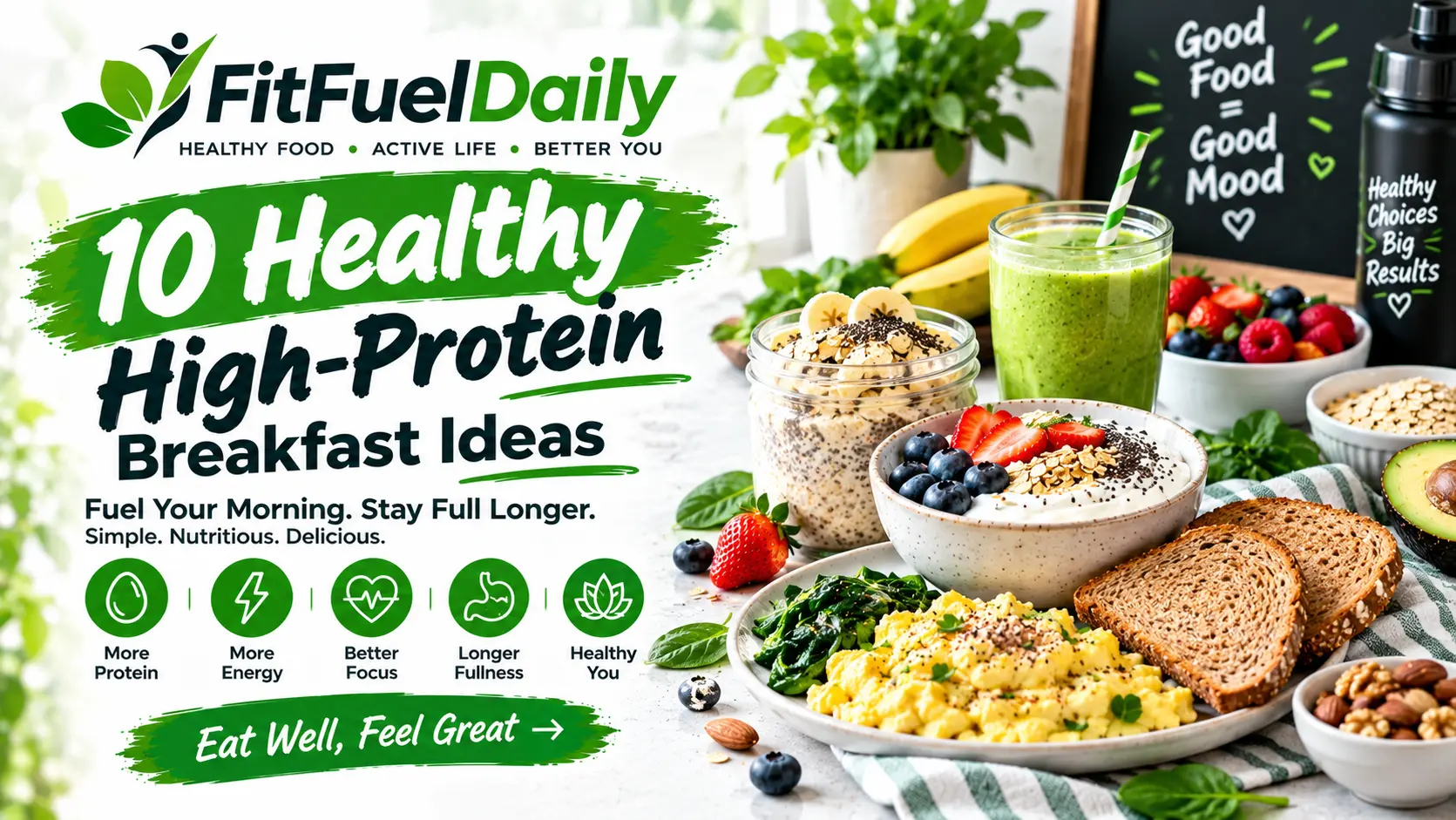
10 Healthy High-Protein Breakfast Ideas
Breakfast is an opportunity to start your day with a satisfying and nutritious meal. Including protein in the morning can help support muscle maintenance, provide essential nutrients, and keep you feeling satisfied as part of a balanced diet.
If you often eat the same breakfast or struggle to find time to prepare food in the morning, there are plenty of simple options to try. From eggs and Greek yogurt to overnight oats and breakfast wraps, healthy meals do not need to be complicated.
In this guide, you will discover 10 easy high-protein breakfast ideas made with everyday ingredients. Each recipe includes simple instructions and practical tips for busy mornings.
Why Include Protein at Breakfast?
Protein is an essential nutrient that helps build and maintain muscles and supports many important functions in the body.
Including protein in breakfast can also make your meal more satisfying, especially when combined with fiber-rich carbohydrates, fruit, and healthy fats.
Good breakfast protein sources include:
- Eggs
- Plain Greek yogurt
- Cottage cheese
- Milk and fortified soy milk
- Beans and lentils
- Tofu
- Nuts and seeds
- Chicken or turkey
Your protein needs depend on factors such as age, body size, activity level, and overall health. You do not need to use protein powder to prepare a protein-rich breakfast.
1. Scrambled Eggs with Whole-Grain Toast
Eggs are a convenient breakfast ingredient that can be prepared in just a few minutes.
Ingredients:
- 2 eggs
- 1–2 slices whole-grain bread
- A handful of spinach, optional
- 1 teaspoon olive oil or a little cooking oil
- Black pepper and herbs
- Tomato slices, optional
Instructions:
- Crack the eggs into a bowl and whisk with black pepper.
- Heat the oil in a nonstick pan over medium-low heat.
- Add the spinach if using, then pour in the eggs.
- Stir gently until the eggs are fully cooked.
- Serve with whole-grain toast and tomato slices.
Healthy tip: Add vegetables such as mushrooms, peppers, or spinach to increase variety and provide additional nutrients.
2. Greek Yogurt and Berry Bowl
This no-cook breakfast is ideal when you have very little time in the morning.
Ingredients:
- 1 cup plain Greek yogurt
- ½ cup strawberries, blueberries, or raspberries
- 2 tablespoons rolled oats
- 1 tablespoon chopped nuts or seeds
- Cinnamon, optional
Instructions:
- Add the Greek yogurt to a bowl.
- Top with the berries and oats.
- Sprinkle with nuts, seeds, or cinnamon.
- Serve immediately.
Healthy tip: Choose plain yogurt to control added sugar. You can use fresh or frozen berries, depending on availability.
3. Peanut Butter Banana Overnight Oats
Prepare this breakfast the night before for an easy grab-and-go option.
Ingredients:
- ½ cup rolled oats
- ½ cup milk or unsweetened fortified soy milk
- ½ cup plain Greek yogurt
- ½ banana, sliced
- 1 tablespoon peanut butter
- A pinch of cinnamon, optional
Instructions:
- Combine the oats, milk, and yogurt in a container.
- Stir in the peanut butter and cinnamon.
- Cover and refrigerate overnight.
- Add the banana before serving.
Healthy tip: Peanut butter adds flavor and fat, while Greek yogurt contributes protein. Adjust the portion sizes to your appetite and nutritional needs.
4. Cottage Cheese and Fresh Fruit
Cottage cheese is a versatile source of protein that pairs well with sweet or savory ingredients.
Ingredients:
- ¾–1 cup cottage cheese
- ½ cup pineapple, berries, or chopped peach
- 1 tablespoon chopped walnuts, optional
- Cinnamon, optional
Instructions:
- Place the cottage cheese in a bowl.
- Add your preferred fruit.
- Sprinkle with walnuts or cinnamon if desired.
- Enjoy as a quick breakfast.
Healthy tip: Check the nutrition label because protein and sodium levels vary between cottage cheese products.
5. Vegetable and Cheese Omelet
An omelet is an easy way to combine eggs with vegetables and other ingredients.
Ingredients:
- 2 eggs
- ¼ cup chopped bell pepper
- A few sliced mushrooms
- A handful of spinach
- 1–2 tablespoons grated cheese, optional
- A little cooking oil
- Black pepper and herbs
Instructions:
- Whisk the eggs in a bowl.
- Lightly cook the vegetables in a nonstick pan.
- Pour the eggs over the vegetables.
- Cook gently until the eggs are almost set.
- Add cheese if desired, fold the omelet, and cook until fully done.
Healthy tip: Serve with whole-grain toast or a piece of fruit for a more complete meal.
6. High-Protein Breakfast Smoothie
A smoothie can be a convenient option when you prefer a drinkable breakfast.
Ingredients:
- 1 medium banana
- ¾ cup plain Greek yogurt
- ¾ cup milk or unsweetened fortified soy milk
- 2 tablespoons rolled oats
- 1 teaspoon unsweetened cocoa powder, optional
Instructions:
- Add all ingredients to a blender.
- Blend until smooth and creamy.
- Add extra milk if you prefer a thinner consistency.
- Serve immediately.
Healthy tip: Greek yogurt and milk provide protein, while oats and banana add carbohydrates and fiber. If you have a smaller appetite in the morning, adjust the serving size.
7. Smoked Salmon and Whole-Grain Toast
Salmon provides protein and beneficial omega-3 fats. This breakfast is flavorful and easy to assemble.
Ingredients:
- 1–2 slices whole-grain bread
- A portion of smoked salmon
- 2 tablespoons plain cream cheese or cottage cheese
- Cucumber slices
- Lemon juice and black pepper
- Fresh dill, optional
Instructions:
- Toast the bread.
- Spread with cream cheese or cottage cheese.
- Add the salmon and cucumber.
- Finish with lemon juice, black pepper, and dill.
Healthy tip: Smoked salmon can contain substantial sodium. Choose portions that suit your dietary needs, or use cooked salmon leftovers instead. Keep smoked fish refrigerated and follow package storage instructions.
8. Tofu Scramble with Vegetables
A tofu scramble is a plant-based breakfast that can be customized with different vegetables and spices.
Ingredients:
- About 150 g firm tofu
- ½ cup chopped bell pepper
- A handful of spinach
- ¼ small onion, chopped
- 1 teaspoon olive oil
- Turmeric, garlic, and black pepper
- Whole-grain toast, optional
Instructions:
- Drain the tofu and crumble it with a fork.
- Heat the oil in a pan and cook the onion and bell pepper until softened.
- Add the tofu, turmeric, garlic, and black pepper.
- Cook for several minutes, stirring occasionally.
- Add spinach and cook until wilted.
- Serve on its own or with whole-grain toast.
Healthy tip: Tofu protein content varies by product. Check the package if you want to estimate the protein in your serving.
9. Breakfast Burrito with Eggs and Beans
This filling breakfast can be prepared fresh or assembled ahead of time.
Ingredients:
- 2 eggs
- ½ cup cooked black beans, rinsed if canned
- 1 small whole-wheat tortilla
- ¼ cup chopped tomato and bell pepper
- A little grated cheese, optional
- Cumin and black pepper
Instructions:
- Scramble the eggs in a nonstick pan until fully cooked.
- Warm the beans and season with cumin and black pepper.
- Place the eggs, beans, and vegetables in the tortilla.
- Add cheese if desired.
- Fold the tortilla and serve.
Healthy tip: Beans provide plant protein and fiber. For meal prep, cool cooked ingredients promptly and refrigerate or freeze the assembled burritos using safe food storage practices.
10. Peanut Butter and Yogurt Toast
This quick breakfast combines whole-grain bread with peanut butter and yogurt for a convenient morning meal.
Ingredients:
- 1–2 slices whole-grain bread
- 1 tablespoon peanut butter
- ½ cup plain Greek yogurt
- ½ cup sliced strawberries or banana
- Cinnamon, optional
Instructions:
- Toast the bread.
- Spread peanut butter over the toast.
- Add fruit on top or serve it on the side.
- Serve with Greek yogurt.
Healthy tip: Peanut butter provides protein and unsaturated fats, but it is energy-dense. A moderate serving can fit into a balanced breakfast.
How to Make Breakfast Meal Prep Easier
A little preparation can make nutritious breakfasts more convenient throughout the week.
Prepare Ingredients Ahead of Time
Wash fruit, chop vegetables, and portion oats or nuts in advance. Keep perishable ingredients refrigerated.
Choose Two or Three Breakfasts
You do not need a different recipe every day. Choose two or three options that you enjoy and alternate between them.
Keep Easy Staples Available
Useful ingredients include eggs, plain yogurt, oats, whole-grain bread, beans, frozen berries, and nut butter.
Make Balanced Combinations
Combine a protein source with fruit or vegetables and a source of fiber-rich carbohydrates. This approach can help you build a satisfying breakfast without following a strict meal plan.
Adjust Portions to Your Needs
A breakfast that suits one person may not be enough for another. Consider your appetite, activity level, preferences, and overall daily eating pattern.
Common High-Protein Breakfast Mistakes
Relying only on protein: Protein is important, but a balanced breakfast can also include carbohydrates, fiber, healthy fats, vitamins, and minerals.
Adding too much sugar: Sweetened yogurt, syrups, and flavored drinks can increase added sugar. Try plain yogurt and whole fruit when possible.
Assuming supplements are necessary: Many people can include protein through ordinary foods. Protein powders are optional, not a requirement for a healthy breakfast.
Skipping variety: Eating the same food every day may limit variety. Rotate eggs, dairy, beans, tofu, fish, fruit, and whole grains throughout the week.
Preparing food without safe storage: Refrigerate perishable foods promptly and avoid leaving cooked eggs, dairy products, or meat at room temperature for extended periods.
Frequently Asked Questions
What is a good high-protein breakfast?
Eggs with whole-grain toast, Greek yogurt with berries, cottage cheese with fruit, tofu scramble, and oats made with milk and yogurt are all useful options. The best choice depends on your preferences and nutritional needs.
Can I eat a high-protein breakfast without eggs?
Yes. Try Greek yogurt, cottage cheese, tofu, beans, milk, fortified soy milk, nuts, or seeds. Combining different protein sources can help add variety to your meals.
Are high-protein breakfasts good for weight management?
Protein can help make meals satisfying, but no single breakfast automatically causes weight loss. Overall eating patterns, portion sizes, physical activity, and individual needs all matter.
Can I prepare high-protein breakfasts in advance?
Yes. Overnight oats, egg muffins, and breakfast burritos can be prepared ahead of time. Store them safely, refrigerate perishable foods promptly, and freeze portions that will not be eaten within the recommended storage period.
Do I need protein powder for breakfast?
No. Foods such as eggs, yogurt, milk, tofu, beans, and cottage cheese can provide protein. Protein powder is a personal choice rather than a requirement.
How much protein should I eat at breakfast?
There is no single ideal amount for everyone. Protein needs depend on individual factors such as body size, age, activity, and health. Aim for a balanced meal that fits your overall dietary needs rather than focusing on one number.
Final Thoughts
Healthy high-protein breakfasts can be simple, affordable, and delicious. From scrambled eggs and Greek yogurt to tofu scramble and overnight oats, there are many ways to start your day with nourishing ingredients.
Choose a few recipes that fit your schedule, prepare ingredients ahead of time when useful, and add variety throughout the week. A consistent, balanced eating pattern matters more than finding one perfect breakfast.
Disclaimer: This article is for general educational purposes only and does not replace personalized medical or dietary advice. Nutritional needs vary from person to person. If you have food allergies, a medical condition, or specific dietary requirements, consult a qualified healthcare professional or registered dietitian when needed.